What a facility manager should track when pool water disappears
Why tracking water loss matters for a commercial pool
A commercial pool loses water every day. Some of it evaporates, some splashes out, and some may be leaking through the shell, the circulation system, or the plumbing network. For a facility manager, the difference between normal loss and a problem is not always obvious. A maintenance record template that tracks water loss over time turns guesswork into data. With a few simple measurements and a regular log, you can spot a slow leak before it drives up operating costs or forces an emergency shutdown.
This article walks through the points you want to record and the reasons behind each one. The goal is a practical checklist that fits into a weekly or daily routine. If you manage a public pool, a hotel pool, or a spa, the same principles apply. The records also help when you bring in a specialist for a commercial pool leak inspection. A clean log gives them a head start on diagnosing the problem.
Record the baseline water level
Start each check by noting where the water sits in the skimmer or the tile line. Mark a reference point - a specific tile or a piece of tape - and measure from that mark to the water surface. Record the date and the measurement in a simple spreadsheet or notebook. The reason is straightforward: you cannot tell if water is disappearing faster than normal unless you know where it started. A single measurement tells you nothing. A series of measurements over days or weeks reveals the rate of loss.
Do the reading at the same time of day, ideally before the pool is used heavily. Evaporation varies with temperature, wind, and humidity, so morning readings tend to be more consistent. If you notice the level dropping faster than usual over several days, you have a clear signal to investigate further. That signal is the whole point of keeping a log.
Check the water meter
Many commercial pools have a dedicated water meter or a submeter on the makeup line. Read the meter at the same time you check the water level. Subtract the previous reading to get the volume of water added since the last check. Compare that with the expected evaporation for your climate and pool temperature. Online evaporation calculators give a rough figure based on surface area, wind speed, and humidity. If the meter shows you are adding significantly more water than evaporation would explain, you likely have a leak.
The meter also catches problems that do not show up as a visible drop in the pool. For example, a leak in the return line underground can lose water without changing the pool level much, because the system keeps pumping. The meter tells you water is leaving the system somewhere. That piece of data is hard to argue with. A good maintenance record template includes a row for the meter reading and a column for the calculated evaporation estimate.
Log pump and filter pressure
The circulation system can hide a leak or create one. Record the pressure on the filter gauge when the pump is running normally. A sudden drop in pressure may mean a suction-side leak is pulling air into the system. A steady rise may mean the filter is clogging, which changes flow patterns and can stress the plumbing. Neither is a direct sign of water loss, but both affect how the system behaves. If you see pressure changes alongside higher water consumption, the two clues together point to a problem in the plumbing network.
Write down the pressure reading and note whether the pump basket and skimmer baskets were clean at the time. Debris in the baskets changes flow and can make the pressure reading misleading. Consistency in how you take the reading matters as much as the number itself. Over weeks, the log builds a picture of the system's normal operating range. Any reading outside that range deserves attention.
Note weather and pool usage
Evaporation is not constant. A windy day, low humidity, or high water temperature all pull more water into the air. A busy weekend with dozens of swimmers splashing and climbing out also removes water. Record the general weather conditions and an estimate of bather load for each day you check. This context keeps you from mistaking a hot, busy week for a leak.
Facility managers sometimes skip this step because it feels vague. But a log that shows "Monday: hot, windy, 50 swimmers" versus "Monday: overcast, calm, 10 swimmers" explains why the water level dropped more on the first day. Without that context, the numbers look alarming. With it, you can separate normal variation from a real problem. A template that includes columns for weather notes and bather count is far more useful than one that only tracks inches of water.
Inspect the visible plumbing and equipment pad
Once a week, walk the equipment pad and look for wet spots, puddles, or damp ground around the pump, filter, heater, and valves. Check the pump seal for drips. Look at the pipe joints and unions for signs of moisture. A small drip from a seal can waste hundreds of gallons over a month. The same goes for a crack in a fitting or a loose clamp on a hose.

This inspection is quick, but it catches the easy fixes. A tight clamp or a new O-ring costs very little. If you wait until the water bill spikes, the leak may have already done damage to the equipment pad or the surrounding area. Log what you find, even if you find nothing. A note that says "all dry" is useful because it confirms the leak is not on the visible side. That narrows the search to the underground plumbing or the pool shell.
Track chemical consumption
Water loss forces you to add more chemicals. If you notice your chlorine or pH adjuster usage climbing even though bather load is steady, the extra water being added to fill the pool is diluting the chemistry. That is an indirect sign of a leak. Record the amount of each chemical you add and compare it week to week. A trend of increasing chemical use, paired with higher water meter readings, is hard to ignore.
This data point is especially useful for pools that use an automatic chemical controller. The controller logs chemical feed events. Pull that data and compare it with your manual water meter readings. If the controller is feeding more chemical to maintain the same level, something is adding fresh water to the system. That something is likely a leak. The maintenance record does not need to be complicated. A simple table with columns for date, water meter, chemical additions, and notes gives you everything you need.
When the data points to a leak
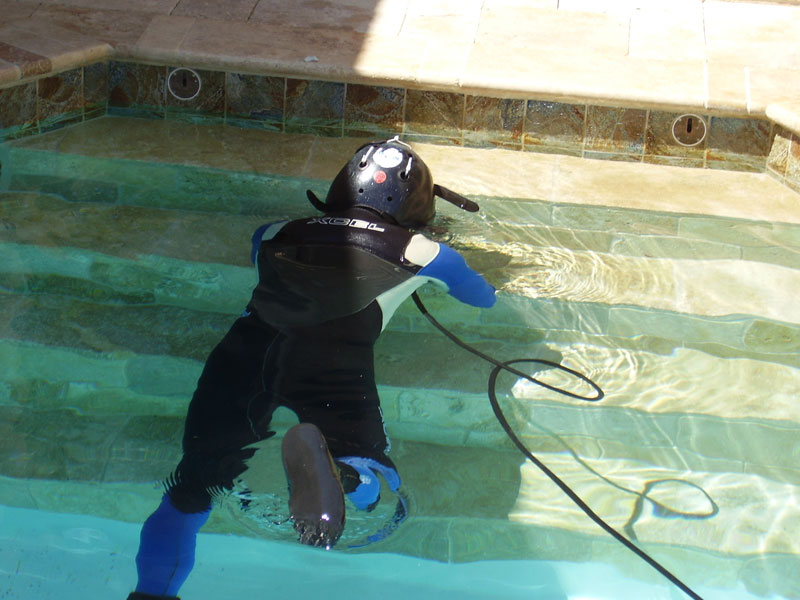
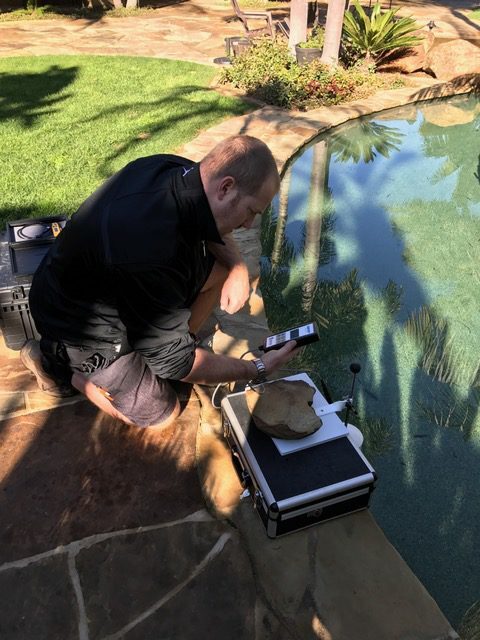
Once your log shows a clear pattern of excess water loss, it is time to bring in a professional. A commercial pool leak inspection involves pressure testing the lines, dye testing the shell, and sometimes using electronic listening devices to pinpoint the leak. The records you have kept make this process faster and more accurate. The inspector can see the rate of loss, the conditions under which it happens, and whether the circulation system is involved. That saves time and money.
For a facility manager in San Diego, the local climate means evaporation is a year-round factor. The dry air and warm temperatures pull water out of the pool consistently. A good log separates that normal loss from a leak. If you need help setting up a tracking system or interpreting the numbers, you can contact sandiegopoolservice.net for guidance on what to look for in your readings. Their expertise in commercial pool leak inspection can help you understand whether the pattern you are seeing is typical or a sign of trouble.
Build the template your pool needs
A maintenance record template does not have to be elaborate. A spreadsheet with the columns described above, printed out or filled in on a tablet, works perfectly. The important thing is consistency. Check the same way, at the same time, and write down the results every time. Over a month, you will have a dataset that tells you exactly how your pool behaves. Over a season, you will know the normal range for every variable. That knowledge is what lets you catch a leak early, before it becomes a major repair.
The best time to start the log is now. Even if you have no reason to suspect a leak, the baseline data is valuable. When something does change, you will have the history to prove it. That history is also useful if you ever need to file an insurance claim or justify a repair budget. A facility manager who shows up with a year of water meter readings and chemical logs is in a much stronger position than one who says "the water bill seems high."
If you decide to have a professional review your records or perform a leak test, sandiegopoolservice.net can provide the specialized knowledge needed for commercial pools. Their work focuses on finding leaks in the shell, the plumbing, and the equipment, which is exactly what you need when your log says something is wrong. Keep the log, watch the trends, and call for help when the numbers do not add up.